
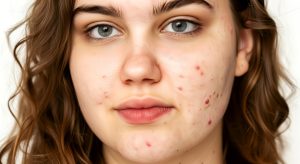
 Acne isn’t just a teenage problem. Many people in their 30s and 40s still struggle with persistent breakouts, stubborn blemishes and frustration when over‑the‑counter products don’t deliver results. If you’re dealing with adult acne and wondering why it’s happening and what really works, you’re not alone.
This guide explains the common causes of adult acne and highlights effective treatment options that truly help – from medical therapies to advanced cosmetic treatments.
Why Adult Acne Happens in Your 30s and 40s
Adult acne often has different triggers than teenage breakouts. Several factors commonly contribute:
Hormonal Fluctuations
Hormonal changes can continue well into adulthood. Fluctuations related to stress, menstrual cycles, perimenopause or endocrine imbalances can increase oil production, which can clog pores and lead to acne.
Skin Sensitivity & Inflammation
As you age, your skin’s natural barrier can weaken, making it more prone to irritation and inflammation. This can trigger breakouts that resemble acne but may also overlap with conditions like rosacea. If you suspect inflammation or redness plays a role, learn about effective care for rosacea.
Lifestyle & Environmental Factors
Stress, diet, lack of sleep, pollution, makeup and skincare products can all influence acne. Adult skin also responds differently to products, making it crucial to tailor treatment rather than rely on generic solutions.
Post‑Inflammatory Hyperpigmentation
Even after breakouts settle, many adults are left with marks or dark spots. This is known as hyperpigmentation and can persist long after blemishes heal. The NHS notes that acne can continue into adult life, affecting around 3% of adults over the age of 35. If this is a concern, explore targeted treatments.
Can Your Skincare Routine Be Making Acne Worse?
Using the wrong products – especially heavy, occlusive creams – can exacerbate breakouts. Look for products labelled non‑comedogenic (won’t clog pores), and be cautious of overly harsh cleansers that strip your skin and increase oil production.
If your current over‑the‑counter skincare isn’t working, it’s often a sign that professional assessment and treatment may be the most effective next step.
Effective Medical Treatments for Adult Acne
Medical treatments prescribed by professionals target acne underneath the surface, rather than just masking symptoms. Here are some of the most effective options:
Prescription Topicals and Oral Medications
These target acne at the root, helping to reduce inflammation, bacteria and sebum production. A tailored medical plan may include retinoids, antibiotics or hormonal therapies depending on your acne type and severity.
Professional assessment and guidance are key – acne isn’t one‑size‑fits‑all.
Acne‑Focused Therapies
If deeper breakouts or cystic acne are present, specialised medical treatments can make a significant difference. Explore more about medical acne treatment.
Cosmetic Treatments That Support Clearer Skin
In addition to medical acne therapies, certain cosmetic treatments can help improve skin texture, reduce scarring and enhance overall skin health.
Skin Peels
Chemical peels gently exfoliate the top layer of skin, helping to unclog pores, reduce breakouts and improve uneven texture. They can also enhance the effectiveness of your daily skincare products.
Learn more about chemical skin peels here: /cosmetic‑treatments/skin‑peels/
Microneedling
Microneedling stimulates collagen production and can improve the appearance of acne scars and texture irregularities. When combined with professional acne care, it can help restore smoother, healthier skin.
Find out more about microneedling.
Lifestyle Changes That Can Support Acne Treatment
Beyond professional interventions, a few lifestyle habits can make a meaningful difference:
- Review your diet: Some people find that reducing dairy or high‑glycaemic foods helps.
- Cleanse gently: Avoid stripping, drying cleansers and over‑exfoliation.
- Manage stress: Stress can worsen hormonal acne – practices like mindfulness and good sleep can help.
- Avoid picking or squeezing acne: This can lead to scarring and pigmentation.
These habits work best when paired with clinical treatment strategies.
When to Seek Professional Support
If you’ve tried over‑the‑counter products for weeks without improvement, your acne may require a personalised treatment plan. Adult acne can be stubborn, but it does respond well to tailored care from skin experts who understand how adult skin behaves differently from adolescent skin.
Book a Skin Consultation for Personalised Care
If persistent breakouts are affecting your confidence and quality of life, booking a skin consultation is a smart next step. A tailored plan can help you:
- Understand the underlying cause of your acne
- Identify the most effective medical and cosmetic treatments
- Develop a treatment pathway that fits your skin type and goals
Adult acne in your 30s and 40s is common, but that doesn’t mean you have to live with it. With the right combination of medical therapy, cosmetic treatments and lifestyle adjustments, clearer, healthier skin is within reach.
Professional support gives you clarity, confidence and effective results – so you can move beyond frustration and towards smooth, vibrant skin that reflects your best self.
